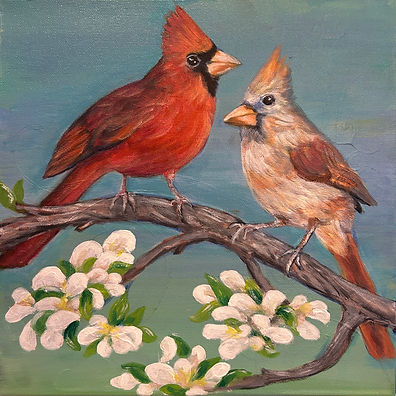
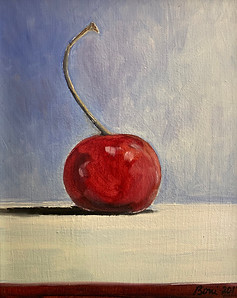
The Beauty of Oil Paint
Exploring why oil remains the gold standard for fine art painting and what makes it such a versatile medium for artists.
For over 600 years, oil paint has been the medium of choice for master artists. From the Renaissance masters to contemporary painters, oil's unique properties continue to make it unmatched in versatility and beauty.
The Magic of Slow Drying
Unlike acrylics or watercolors, oil paint dries slowly—sometimes taking days or even weeks to fully cure. While this might sound like a disadvantage, it's actually one of oil's greatest strengths. This extended working time allows artists to blend colors seamlessly, make adjustments, and work and rework passages until they achieve exactly the effect they're seeking.
In my studio, I often return to a painting over several days, gradually building up layers and refining details. This wet-on-wet technique, favored by the old masters, creates that luminous quality that's so characteristic of fine oil painting.
Rich, Vibrant Color
Oil paint offers unparalleled color intensity and richness. The pigments are suspended in oil rather than water, which means colors maintain their vibrancy without the dulling effect that can occur with other media as they dry. When you lay down a stroke of cadmium red or ultramarine blue, that's the color you'll see when the painting is finished—no surprises, no shifts in value.
The ability to mix oils on the palette or directly on the canvas gives painters an infinite range of colors and subtle gradations. Whether I'm capturing the soft pink of a sunrise or the deep shadows in a portrait, oil paints provide the perfect tools for the job.
Versatility in Technique
Oil paint can be applied thick (impasto) to create textured, sculptural surfaces, or thinned to translucent glazes that allow underlying layers to show through. This versatility enables artists to employ a wide range of techniques within a single painting.
In my Renaissance-inspired work, I often use the classical technique of underpainting in earth tones, then building up layers of transparent and semi-transparent colors. This creates depth and luminosity that's difficult to achieve with any other medium.
Built to Last
When properly applied on well-prepared surfaces, oil paintings can last for centuries. The paintings of Rembrandt, Titian, and Vermeer still captivate us today, their colors as vibrant as when they were first applied. This archival quality means that the paintings I create today can become family heirlooms, passed down through generations.
A Living Tradition
Working with oils connects me to a centuries-old tradition of master painters. The techniques I use—the way I prepare my canvases, mix my colors, build up layers—are the same methods refined over generations of artists. There's something deeply satisfying about being part of this living tradition while creating contemporary work.
Whether you're a beginning artist considering which medium to explore or a collector wondering about the lasting value of oil paintings, I hope this glimpse into the world of oil painting helps you appreciate why this beautiful medium continues to inspire artists around the world.
Interested in Learning Oil Painting?
I offer workshops and private lessons covering oil painting techniques from beginner to advanced levels. Learn the classical methods that have stood the test of time.
View Workshop Schedule